
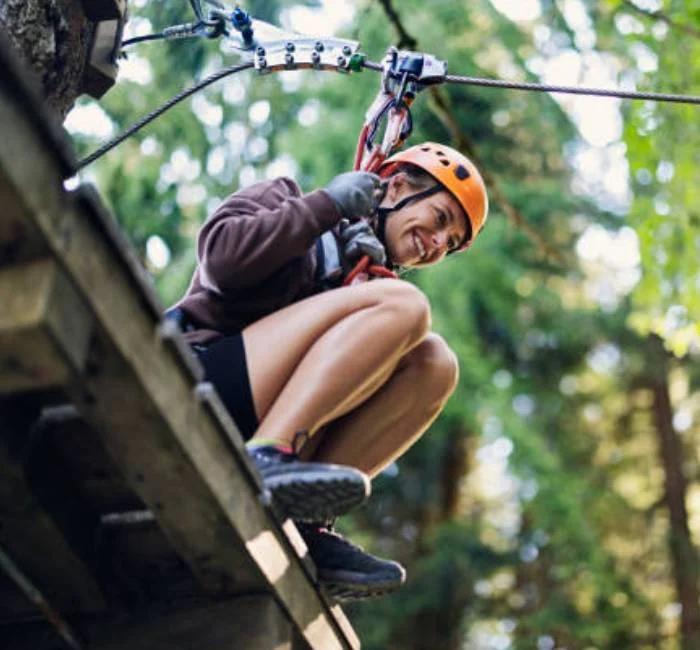
Safe & Secure
Designed with safety
as a top priority
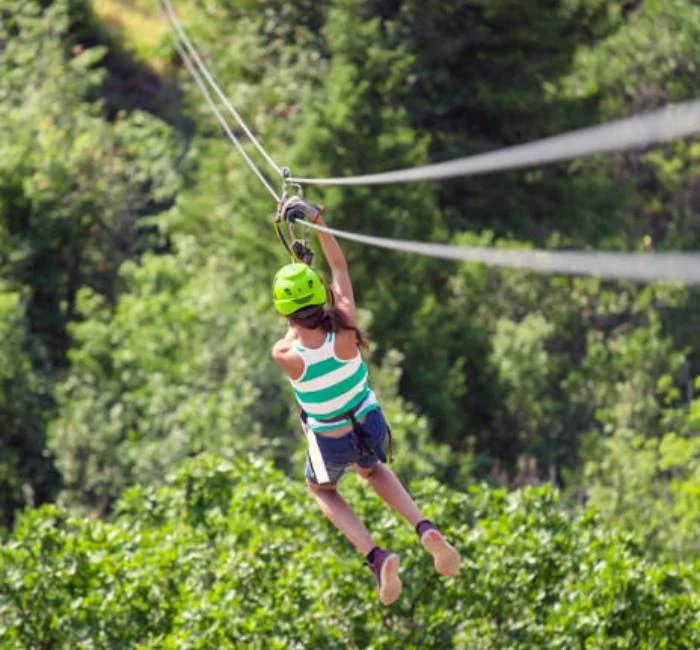
Build Teamwork
Encourages collaboration
and communication
Improve Fitness
Boosts strength, flexibility
and endurance
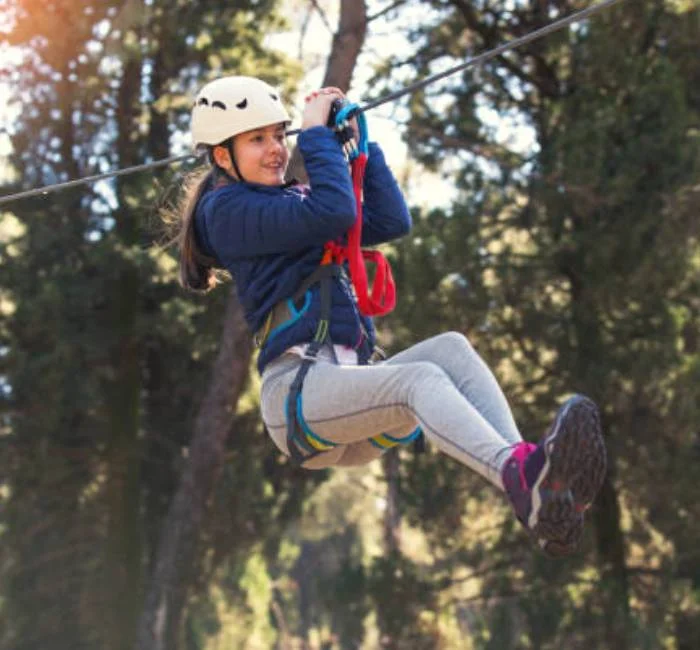
For All Skill Levels
Suitable for beginners
to advanced climbers
The installation of a zip line encompasses a systematic process of assembling and securing the components essential for a safe and enjoyable zip line experience. This intricate procedure involves multiple steps, including identifying suitable anchor points, erecting sturdy towers or supports, and carefully positioning and tensioning the cables along the designated route.
Highly skilled installation teams meticulously follow engineering plans and safety protocols, ensuring precision in every stage of the installation. They employ specialized tools and techniques to secure the anchor points firmly, construct stable towers, and correctly attach and tension the cables to ensure structural integrity and participant safety.
Throughout the installation, rigorous safety checks and quality assessments are conducted, verifying the stability of the entire system and ensuring compliance with safety standards. Once the installation is complete, thorough inspections and test runs are performed to guarantee that the zip line operates flawlessly, providing a thrilling yet secure experience for participants amidst captivating surroundings.

What is an Installation of Zip Line?
The installation of a zip line involves the systematic setup and assembly of a thrilling aerial adventure ride. This comprehensive process begins with site assessment, identifying suitable anchor points, and erecting sturdy towers or structures to support the zip line's route. Skilled installation teams meticulously position and secure the cables, ensuring proper tension and alignment along the intended path.
Utilizing specialized equipment and adhering to safety protocols, the installation team meticulously fastens safety mechanisms, such as braking systems and harness attachments, ensuring participants' security. Rigorous safety inspections are conducted at every stage, guaranteeing compliance with safety standards and engineering specifications.
The installation process culminates in comprehensive testing and trial runs to verify the system's stability and functionality. This ensures a safe, exhilarating experience for adventurers who soar along the zip line, enjoying breathtaking vistas and thrilling speeds in a secure and controlled environment provided by the meticulously installed zip line system.
| Anchor Point Specifications | Details of anchor point strength, depth, and load-bearing capacity. |
|---|---|
| Tower Construction Standards | Height, material, and stability requirements for towers or supports. |
| Cable Specifications | Material, diameter, tensile strength, and corrosion resistance of cables used. |
| Safety Mechanisms | Specifications for braking systems, harness attachments, and safety nets. |
| Terrain Adaptation | Measures for adapting to varying terrains or environmental conditions. |
| Installation Tools and Equipment | Specific tools and equipment required for installation. |
| Structural Integrity Checks | Protocols for verifying the stability and alignment of the entire system. |
| Safety Protocol Compliance | Adherence to safety standards and regulations throughout the installation. |
| Weather Considerations | Protocols for weather-related pauses or adaptations during installation. |
| Quality Assurance Testing | Procedures for comprehensive testing and trial runs post-installation. |