
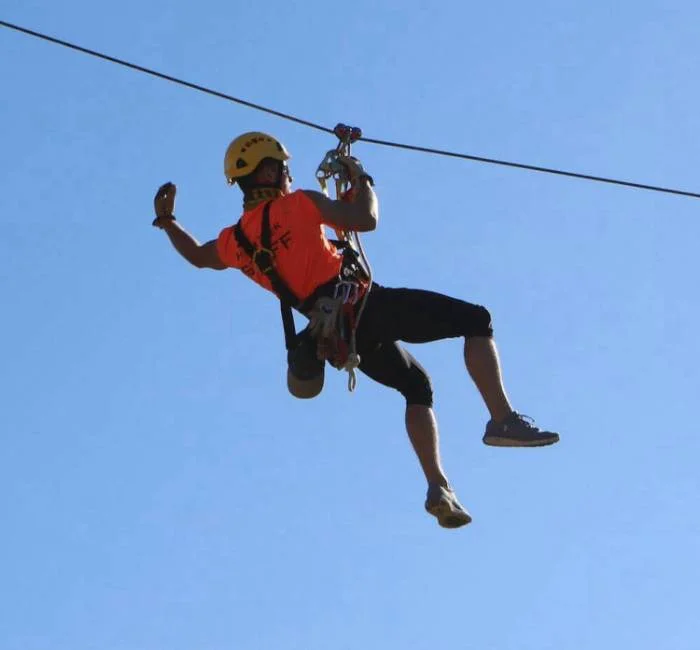
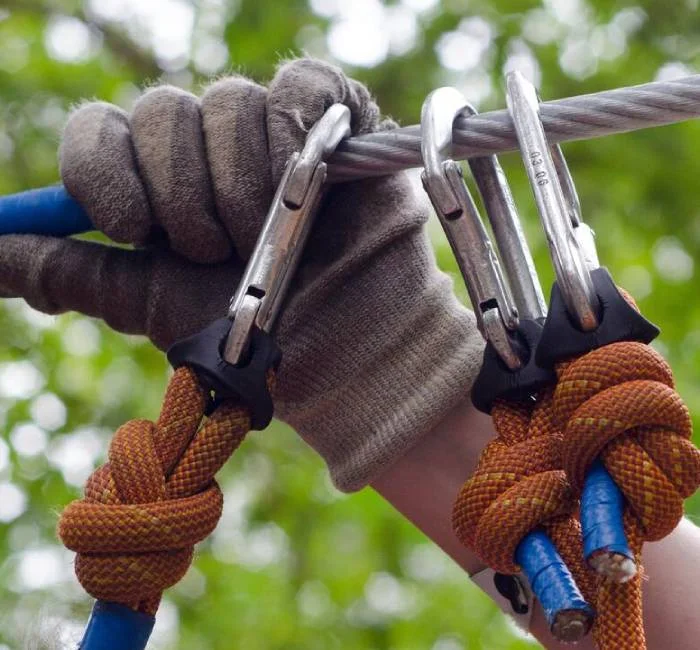
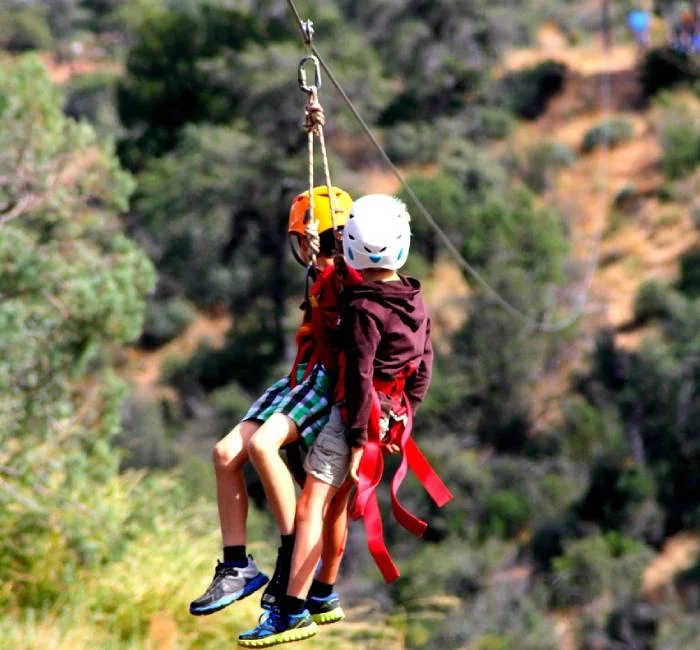
Safe & Secure
Designed with safety
as a top priority
Build Teamwork
Encourages collaboration
and communication
Improve Fitness
Boosts strength, flexibility
and endurance
For All Skill Levels
Suitable for beginners
to advanced climbers
The fabrication of a structure encompasses the intricate process of crafting its components, ensuring they meet exacting specifications for strength and durability. This involved procedure typically involves cutting, shaping, and assembling raw materials such as steel, wood, or composite materials, meticulously following architectural or engineering designs. Precision and adherence to stringent quality standards are imperative during fabrication to ensure structural integrity and safety.
Skilled fabricators utilize specialized tools and techniques to shape and join materials with precision, guaranteeing that each element aligns flawlessly with the overall design plan. The fabrication process also involves rigorous quality checks and inspections to verify material quality, welding integrity, and compliance with safety standards.
Ultimately, the fabrication phase is fundamental in creating a robust and dependable structure, laying the groundwork for its stability and reliability in diverse applications, whether in buildings, bridges, industrial installations, or recreational facilities.

What is a Fabrication of Structure in Zip Line?
The fabrication of a structure in a zip line involves the meticulous creation of various components essential for the zip line's installation and operation. This process encompasses the crafting of sturdy platforms, towers, anchor points, cable systems, and other structural elements required to support and facilitate the zip line experience.
Fabrication ensures that each component meets stringent safety standards and engineering specifications crucial for stability, load-bearing capacity, and durability. Skilled fabrication techniques such as precise cutting, welding, and assembly are employed to shape materials like steel, aluminum, or composite substances into the framework of the zip line structure.
Attention to detail during fabrication guarantees the structural integrity and reliability of the entire zip line system, ensuring a safe and thrilling experience for participants. Each fabricated piece plays a pivotal role in supporting the cables, harnesses, and other safety mechanisms essential for a secure and enjoyable zip line adventure amidst various environmental conditions and terrains.
| Platform Dimensions | Length, width, and height specifications for platforms. |
|---|---|
| Tower Height | Height of towers supporting the zip line structure. |
| Material Specifications | Type and grade of steel, aluminum, or composites used. |
| Load-bearing Capacity | Maximum weight the structure can support. |
| Anchor Point Strength | Specifications for anchor points securing the structure. |
| Welding Standards | Welding techniques and quality standards employed. |
| Surface Coating | Protective coating or treatment for durability and weather resistance. |
| Tension Cable Specifications | Diameter, material, and tensile strength of cables used. |
| Safety Features | Details of safety mechanisms integrated into the structure. |
| Certifications | Compliance with safety standards and engineering regulations. |